The Ultimate Guide to Heavy Haulage Transport Logistics
Routine construction materials are easily handled by standard trucking fleets. But when you are dealing with cargo that is massive and cannot be taken apart, a standard truck isn't enough. This specific type of transport is the job of heavy haulage. It is the specialized solution for moving items that simply cannot be disassembled into smaller pieces, such as heavy mining machinery, expansive wind turbine blades, structural steel for civil infrastructure, and even entire prefabricated buildings.
But moving these giants requires more than just a powerful engine. This article breaks down exactly where heavy haulage is applied, the operational methodology behind the transport, and the critical pre-planning decisions required before the wheels ever start turning. Below, we examine the specific logistics of how these massive loads are successfully navigated from point A to point B.
Types of Heavy Haulage Trailers
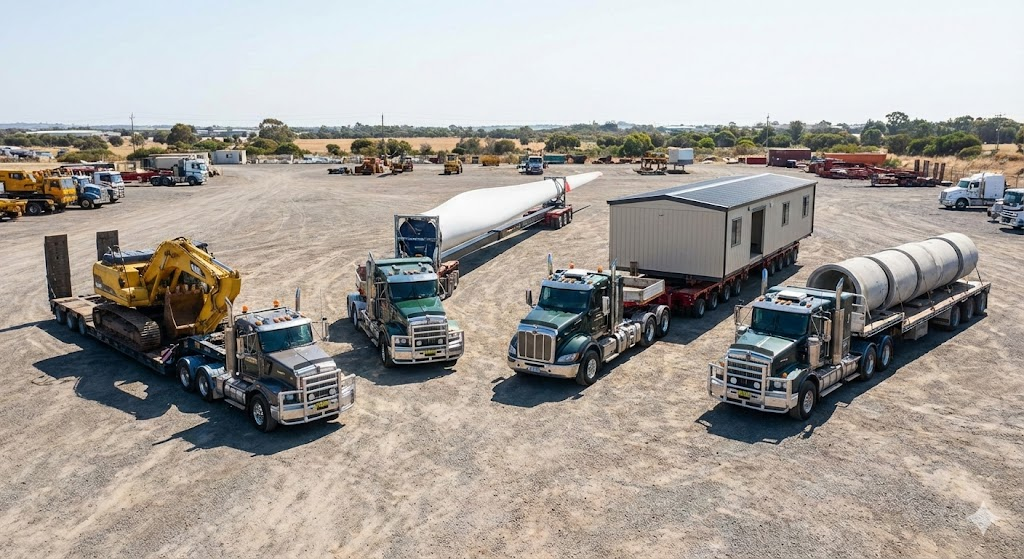
In heavy haulage, one size does not fit all. The type of trailer used depends entirely on the shape, weight, and dimensions of the cargo. If you choose the wrong equipment, the load might be unsafe or illegal to move.
The table below breaks down the most common trailers and how they are used:
| Trailer Type | Best Used For | Key Advantage |
|---|---|---|
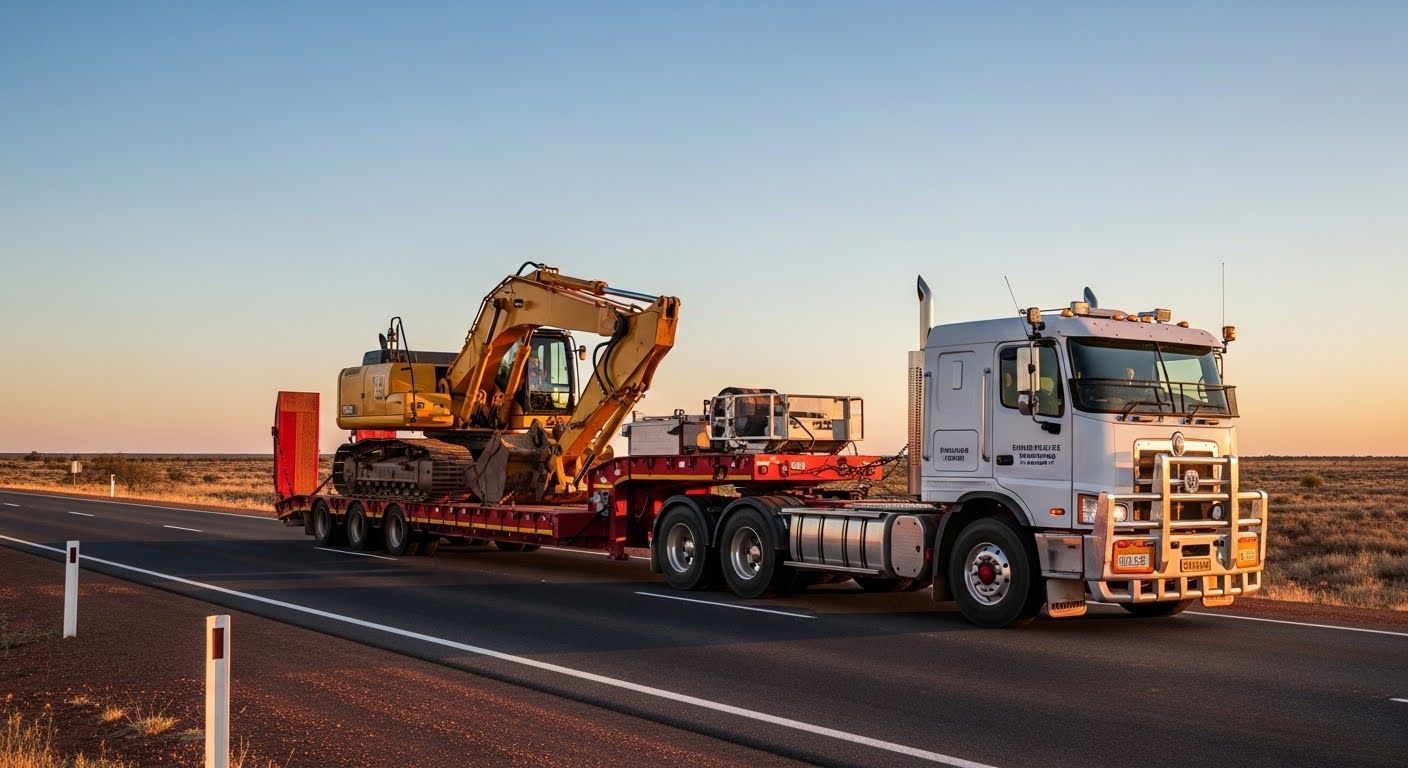
| Lowboy (Lowbed) Trailer | Tall machinery like Mining Excavators, Bulldozers, and heavy Transformers. | The deck sits very low to the ground. This lowers the total height of the load, allowing it to pass safely under bridges and power lines. |
| Extendable (Stretch) Trailer | Extremely long items like Wind Turbine Blades, long steel beams, and pipes. | This trailer can stretch out like a telescope. It provides full support for long cargo so that nothing hangs off the back dangerously. |
| Modular Trailer (SPMT) | Massive, heavy loads like Prefabricated Buildings, Bridge Sections, or industrial plant equipment. | It has multiple axles (rows of wheels). This spreads the massive weight evenly across the ground to prevent damage to the road. |
| Step Deck (Drop Deck) | Cargo that is slightly too tall for a standard flatbed truck but does not require a Lowboy. | It has a lower deck than a standard truck, giving you a bit more height clearance while still being easy to load with a forklift. |
Planning and Logistics
Having the right trailer is only a small part of successful heavy haulage. The most critical work actually happens weeks or months before the truck ever moves. Unlike standard freight, you cannot just load up and rely on a GPS for the fastest route.
Every heavy transport project requires meticulous planning to ensure safety and legal compliance. Here are the three main pillars of the pre-transport phase:
1. The Route Survey
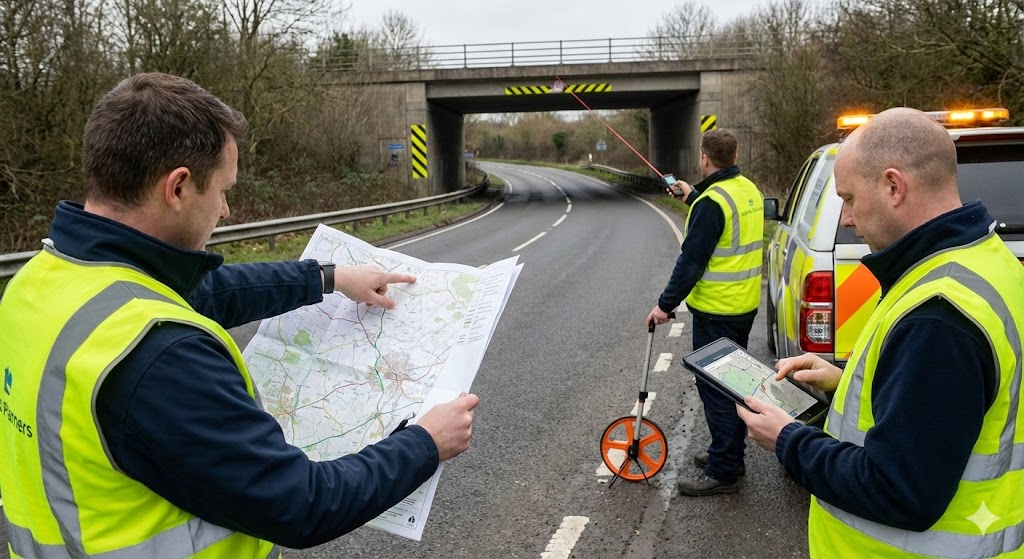
Before the heavy load moves, a survey team physically drives the entire proposed route. They are not just looking for the fastest way; they are looking for obstacles.
- Height Checks: They measure every bridge, tunnel, and overpass to ensure the load will fit underneath.
- Weight Restrictions: They verify that older bridges or smaller roads can support the massive combined weight of the truck, trailer, and cargo.
- Turns and Width: They analyze sharp corners and roundabouts to ensure a long trailer can turn without hitting signs, poles, or buildings.
2. Obtaining Permits
You cannot legally drive an oversized or overweight vehicle on public roads without specific permission.
- Transport companies must apply for permits from every state, province, or local municipality the truck will pass through.
- These permits define the exact route that must be taken. They often also restrict travel times, for example, forbidding movement during morning or evening rush hours to reduce traffic jams.
3. Escort Vehicles (Pilot Cars)
A heavy haul truck rarely travels alone. It is usually surrounded by a team of support vehicles, known as pilot cars or escorts.
- Lead Car: Drives ahead of the truck to warn oncoming traffic. For tall loads, this car often has a "height pole" attached to physically check clearance ahead of the cargo.
- Chase Car: Follows behind the truck to warn approaching traffic and prevent other drivers from getting too close to the rear of the wide load.
The Transport Phase
Once the permits are secured and the route is surveyed, the physical work begins. Moving a heavy load is a slow, calculated process where safety is the only priority and this phase is broken down into three critical stages:
1. Loading and Securing the Cargo
Getting a 100-tonne piece of machinery onto a trailer is often the most dangerous part of the job.
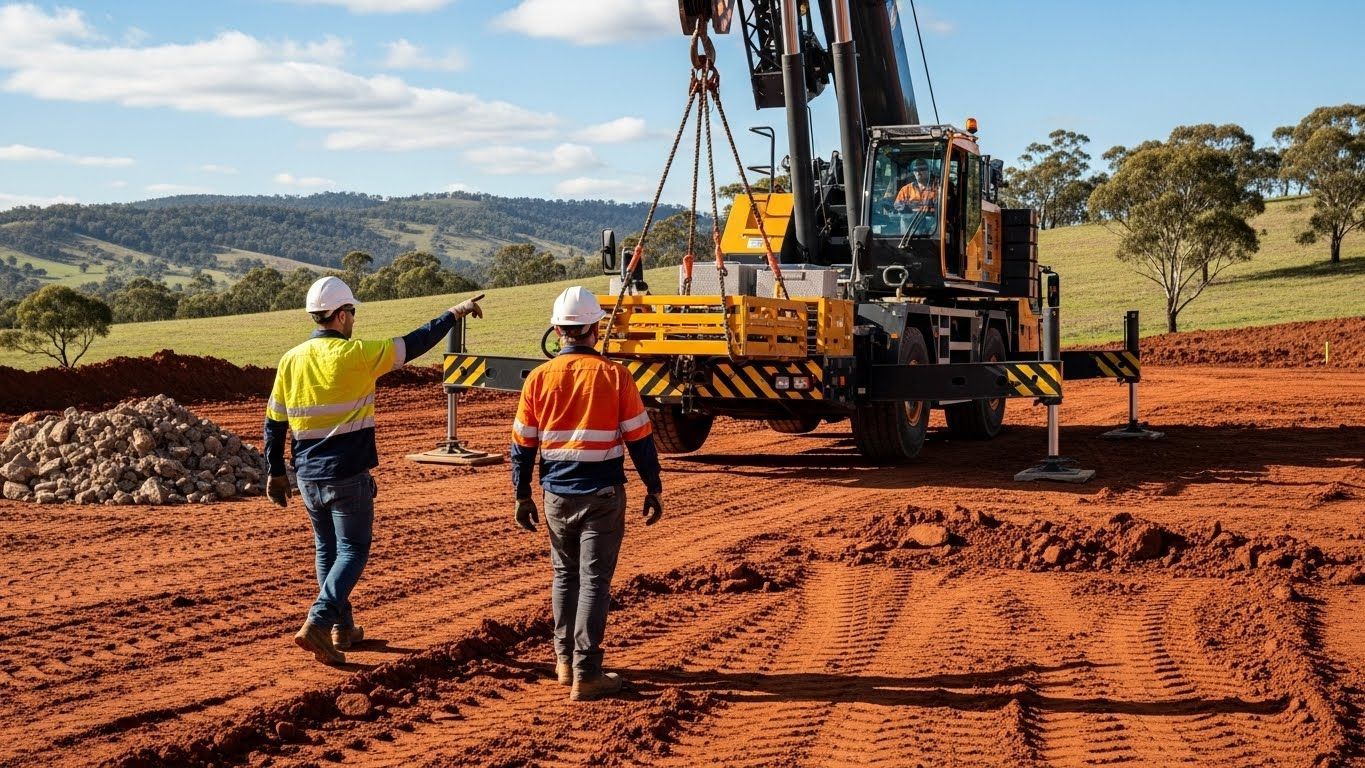
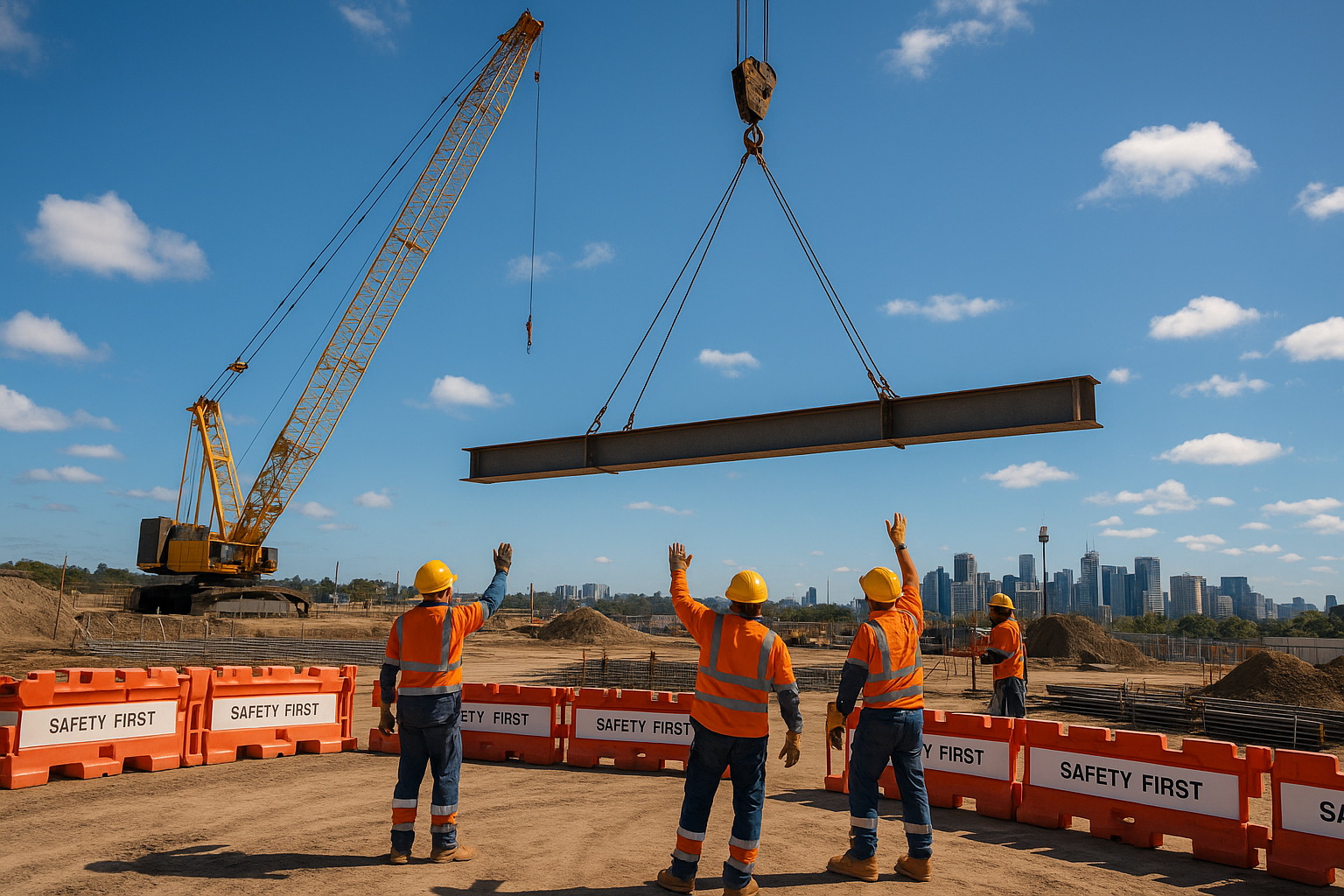
- Heavy Lifting: Giant
mobile cranes or hydraulic jack systems are used to lift the cargo.
- Weight Distribution: The load must be placed perfectly on the trailer. If it is slightly off-balance, it can cause the trailer to tip over during a turn or overload specific tires, leading to blowouts.
- Securing the Load: Using industrial-grade chains and binders, the cargo is locked to the trailer. It must not move even a single inch during transport, even during sudden braking.
2. The Drive (Slow and Steady)
Driving a heavy haul truck is completely different from driving a standard semi-truck.
- Speed Limits: These trucks often travel much slower than regular traffic, sometimes as slow as 30-40 km/h on highways, to ensure they can stop safely.
- Navigating Turns: A driver may need to use the entire width of the road (both lanes) to make a sharp turn without the trailer hitting signs or guardrails off the side of the road.
- Night Moves: To avoid traffic chaos, the biggest loads are often moved late at night when roads are empty.
3. Constant Communication
The driver is never working alone. There is a constant radio link between the truck driver and the pilot car operators.
- The lead pilot car warns the truck driver of upcoming hazards, like traffic congestion or a low-hanging wire.
- The rear pilot car ensures no cars try to cut in behind the truck, creating a "safety bubble" around the heavy load.
Conclusion
Heavy haulage is the most complex sector of the logistics industry. It is not simply about getting from point A to point B; it is about engineering a safe path for cargo that defies standard limits.
From selecting the right trailer configuration, whether it is a lowboy for height or a modular trailer for weight, to the weeks spent on route surveys and permit applications, every step is critical. A successful project does not happen by chance; it happens because of detailed preparation and skilled execution.
When you are dealing with critical infrastructure or multi-million dollar machinery, there is no room for shortcuts. This is why partnering with experienced professionals is essential. For reliable heavy transport and complex lifting solutions, Knowles Crane offers the expertise and specialized fleet needed to ensure your load arrives safely and on time.