Blog
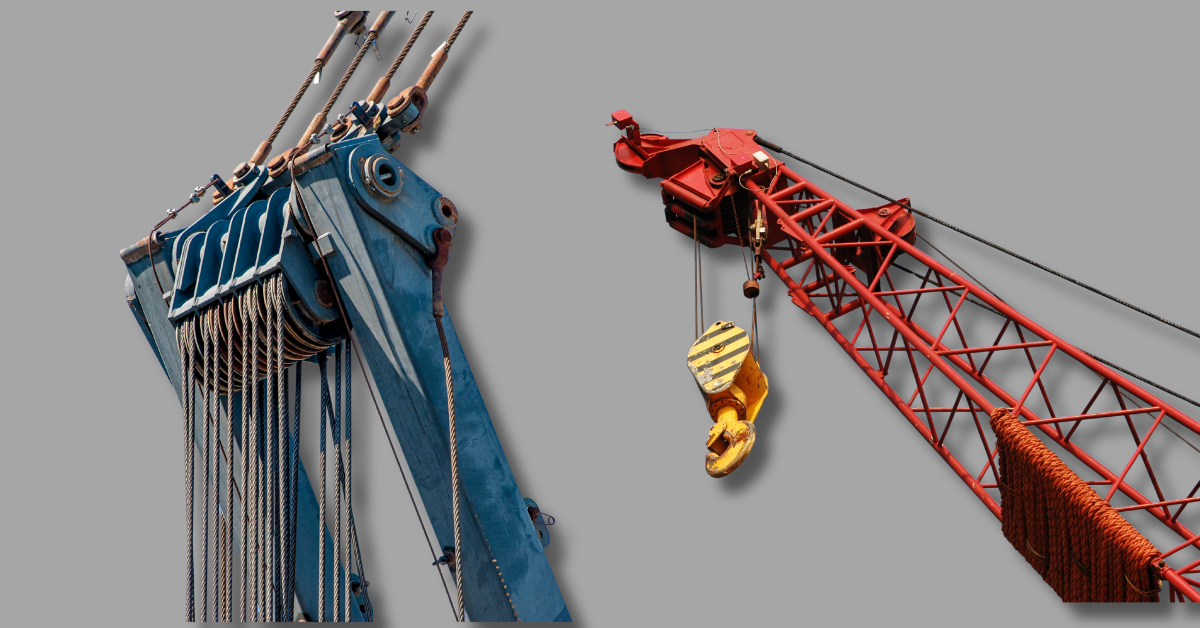
Rigging vs lifting explained in plain English for Victorian worksites, with examples, safety tips, WorkSafe Victoria notes, and a quick pre-lift checklist.
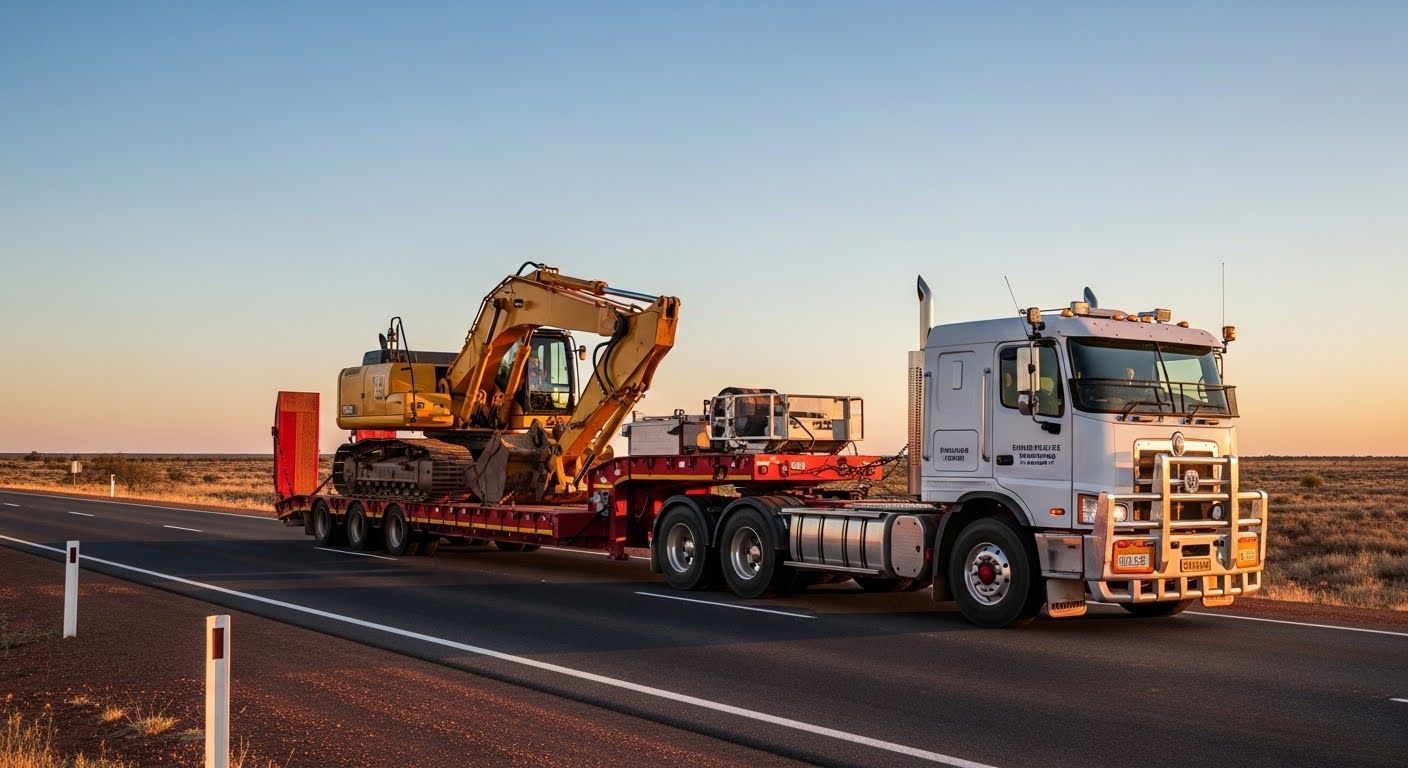
Drop deck trailers lower centre of gravity, boost stability and clear height limits, reshaping heavy transport for tall machinery and oversize loads.
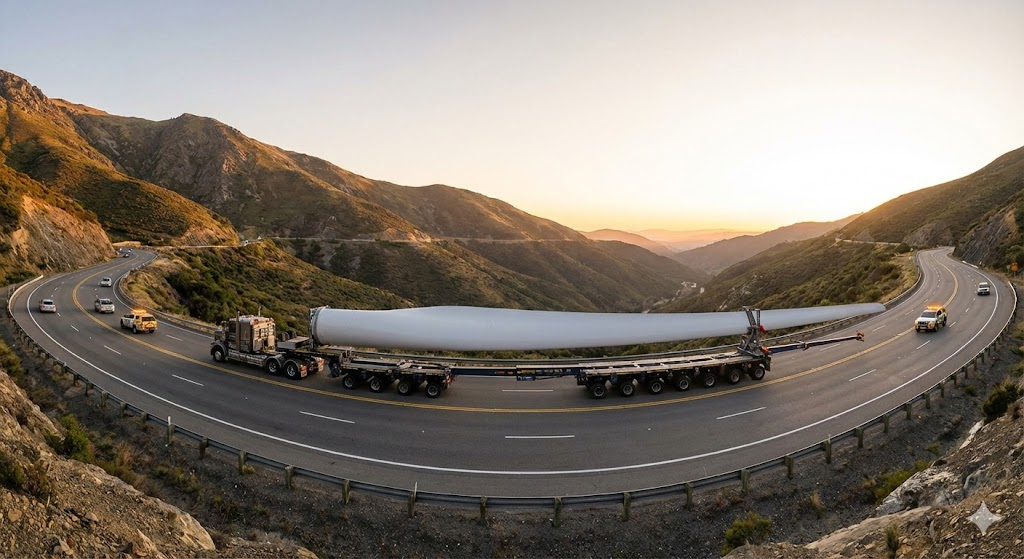
Routine construction materials are easily handled by standard trucking fleets. But when you are dealing with cargo that is massive and cannot be taken apart, a standard truck isn't enough. This specific type of transport is the job of heavy haulage. It is the specialized solution for moving items that simply cannot be disassembled into smaller pieces, such as heavy mining machinery, expansive wind turbine blades, structural steel for civil infrastructure, and even entire prefabricated buildings. But moving these giants requires more than just a powerful engine. This article breaks down exactly where heavy haulage is applied, the operational methodology behind the transport, and the critical pre-planning decisions required before the wheels ever start turning. Below, we examine the specific logistics of how these massive loads are successfully navigated from point A to point B. Types of Heavy Haulage Trailers
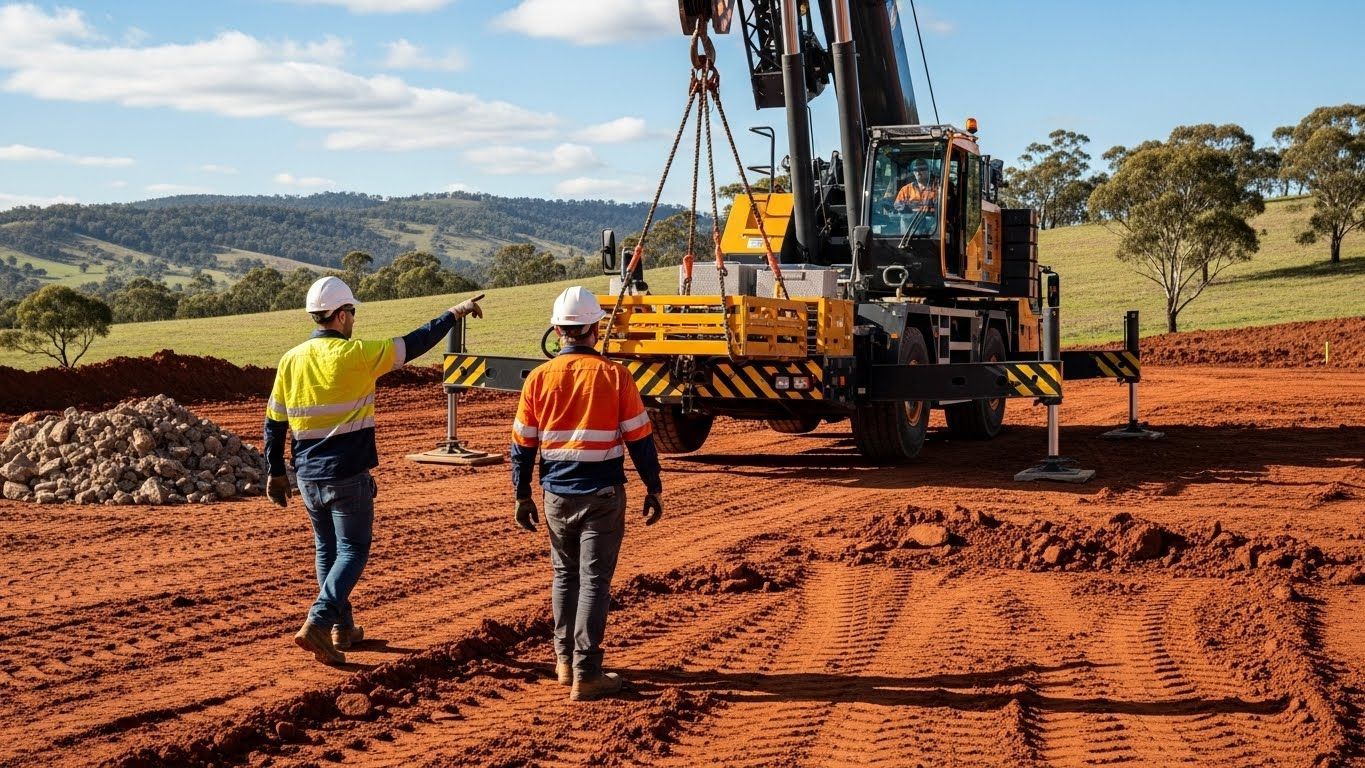
Crane trucks started becoming common on job sites in the 1980s, with the famous Franna models leading the way. Since then, the technology has improved to handle the different demands of construction sites and transport jobs. This growth means the industry is now large and is expected to reach around $565 million AUD by 2025. To help you understand the different types of crane trucks, how they’re used for heavy lifting, and which ones handle the transport tasks, Knowles Cranes wrote this guide to break down the specific strengths of each truck to help you match the right equipment for the job. If you need advice or a crane for your next project, consider us your partners in getting the lift done safely. The 5 Crane Trucks for Heavy Lifting and Transport
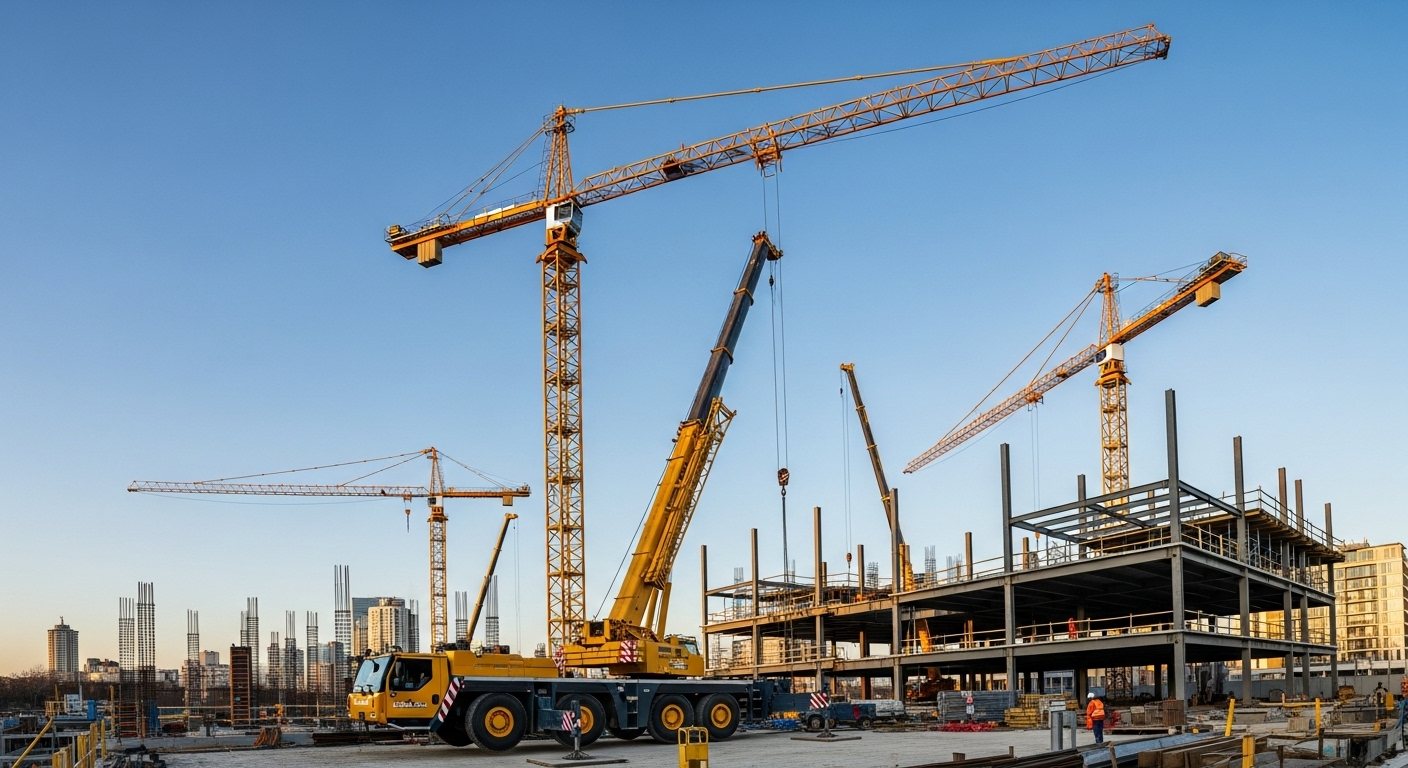
Understand key crane types, when to use fixed or mobile machines, and how Australian safety standards guide safe, efficient lifting with support from Knowles Cranes.
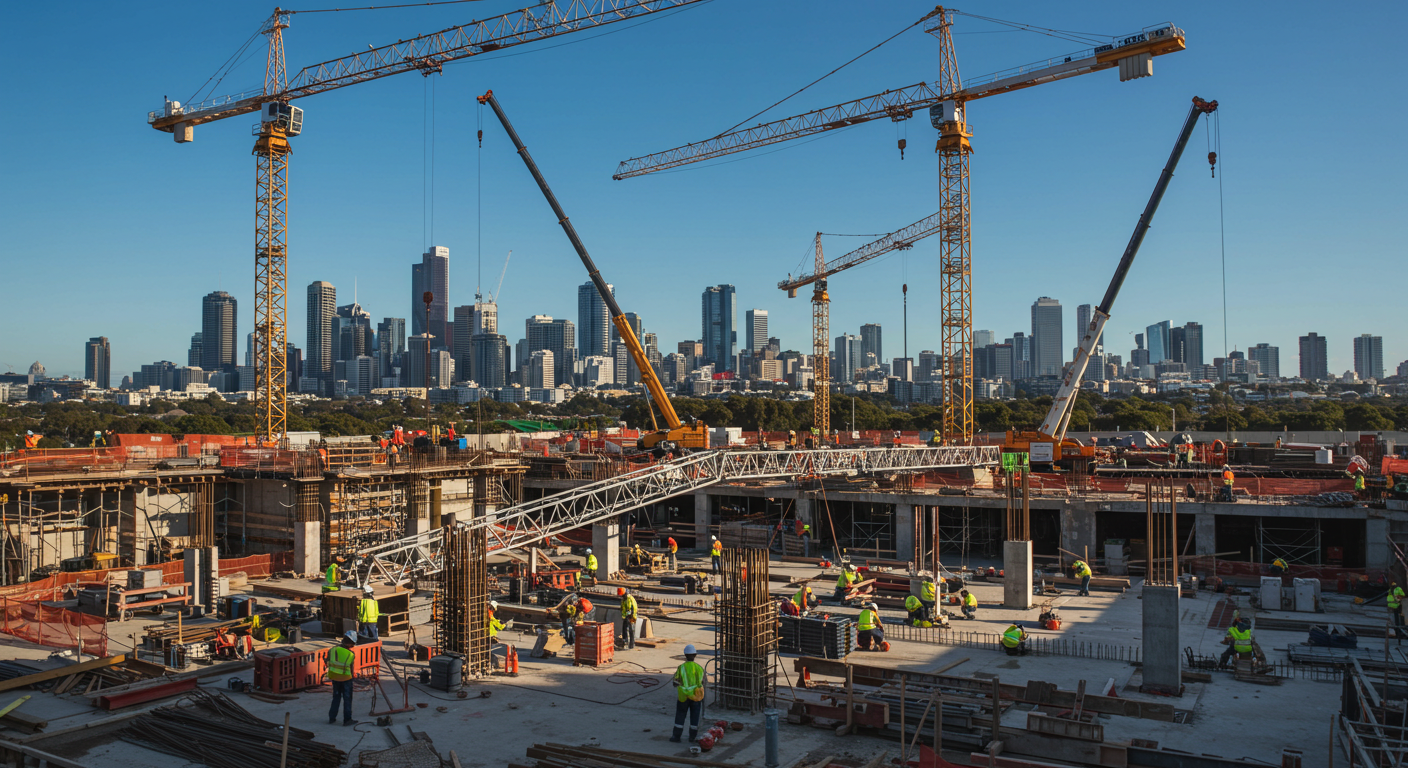
Choose the right crane for your project with seven key criteria. Compare tower, mobile, crawler, and Franna cranes for safe, cost-efficient lifting.
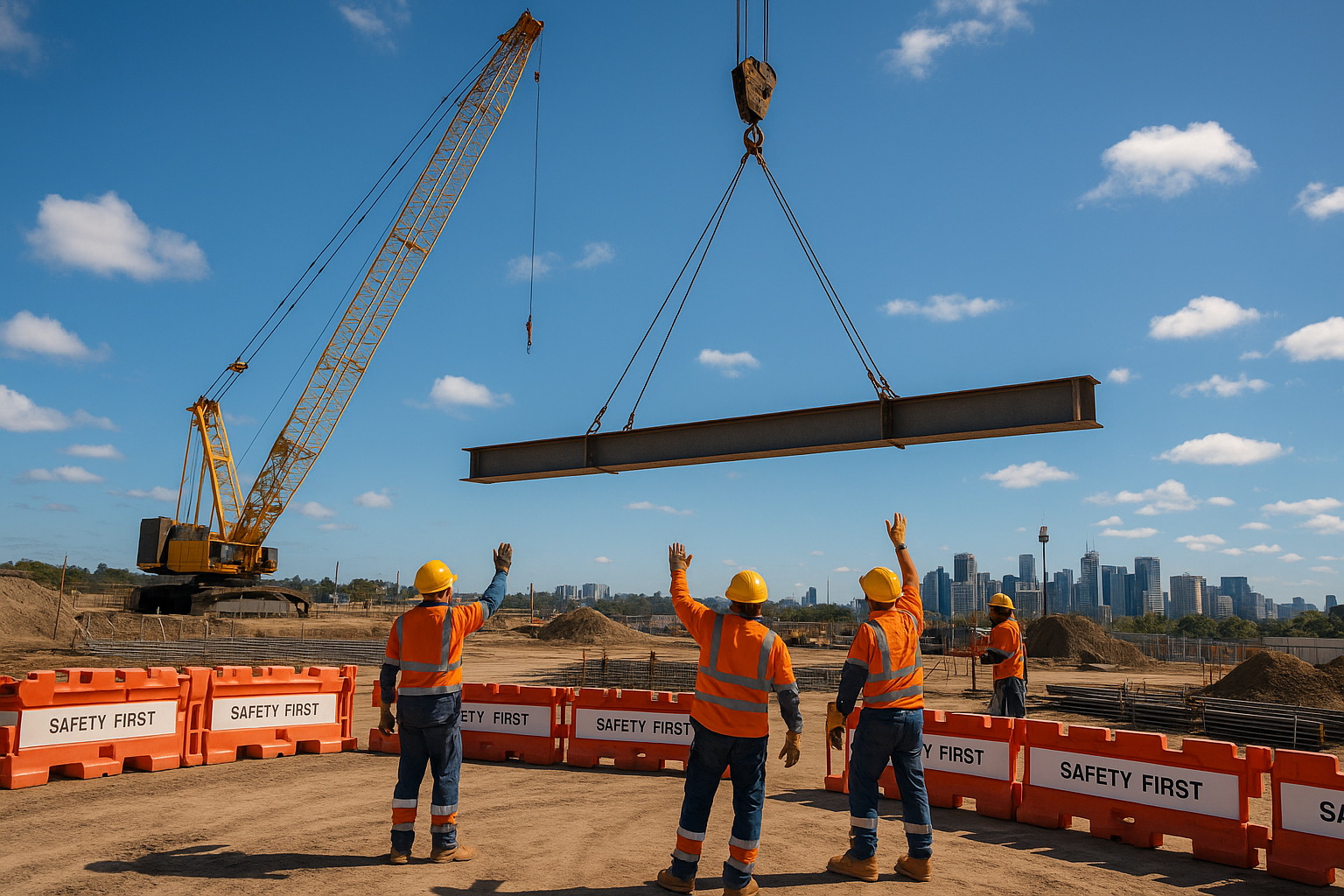
A practical guide to crane safety in Australia covering training, inspections, site planning, communication, load limits, PPE, and WHS compliance.
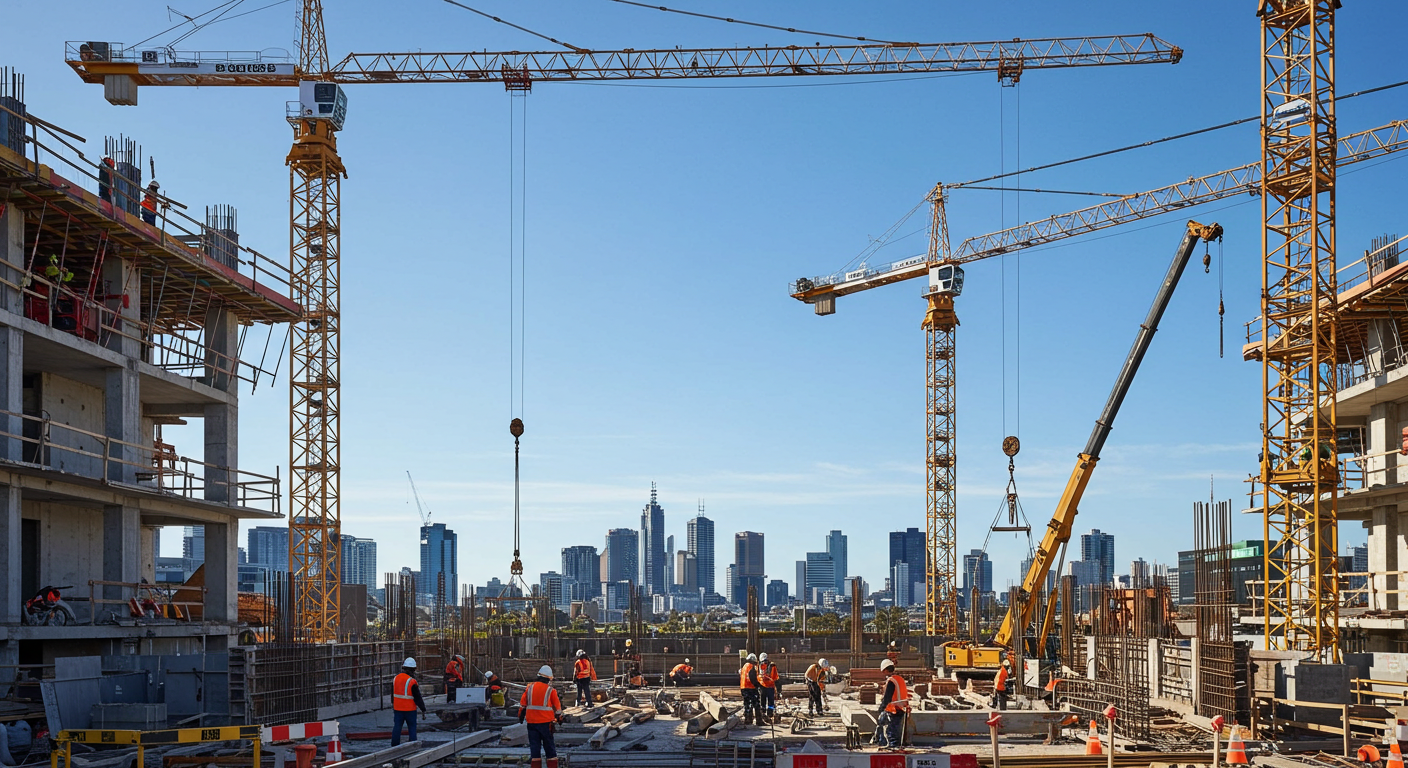
A guide to rigging services in Victoria, what they are, how they work, types of equipment used, and why safety and rules matter on site.
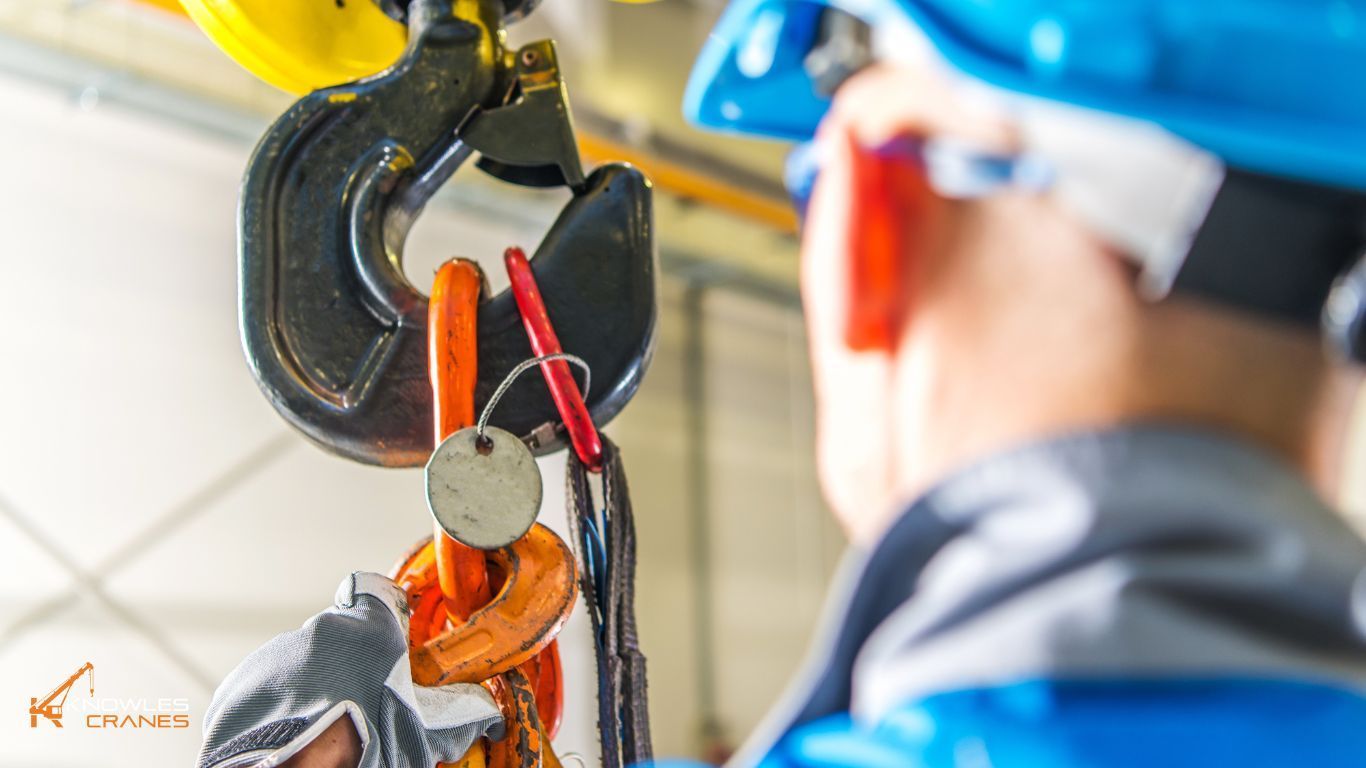
Trusted Victorian partner for crane services, Knowles Cranes uses engineered lifts to avoid delays and ensure safe and efficient operations.
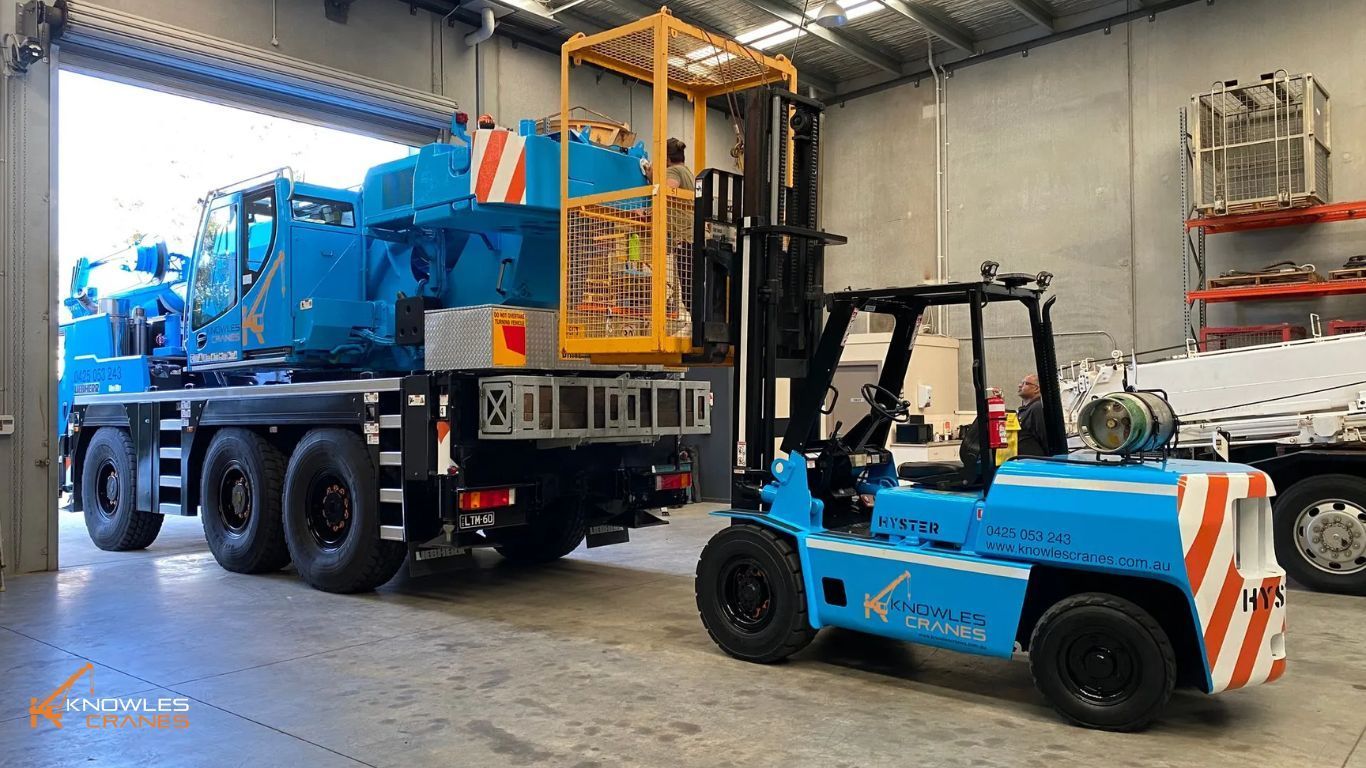
Need reliable machinery relocation in Victoria? Knowles Cranes delivers expert planning, safe lifting, and efficient equipment transport.